
How long should a first dance be? For many couples, about 90 seconds to two and a half minutes is a comfortable target. That is usually enough time to enjoy the song, capture a variety of photographs, and let the moment feel meaningful without requiring a full choreographed performance.
That range is a practical starting point, not a rule. A full song may be perfect if it is short, personally significant, or paired with planned choreography. A shorter edit can work better if the original track runs four or five minutes, includes a long instrumental section, or leaves you wondering what to do after the first chorus. The best length is the one that feels natural to you and has a clear ending.
Choose a Length Based on How You Want the Dance to Feel
Before studying timestamps, decide what kind of experience you want. A private, romantic moment may benefit from a little breathing room. A high-energy entrance into open dancing may call for a shorter first dance followed by an immediate invitation for guests to join you.
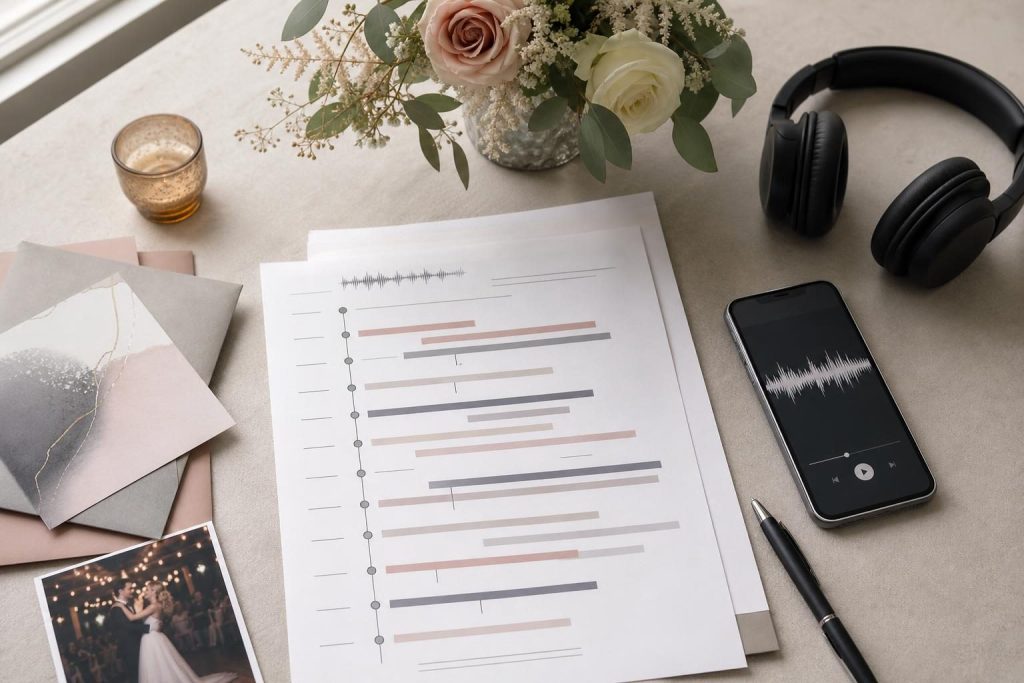
These general ranges can help:
- About 60 to 90 seconds: A good choice for couples who prefer a brief spotlight moment or want to transition quickly into the party.
- About 90 seconds to two and a half minutes: Long enough for the song to develop and for photographers to capture several angles, while still feeling manageable for most couples.
- Three minutes or longer: Best when you genuinely enjoy dancing together, have practiced, or want to hear most or all of a meaningful song.
Try dancing to the complete track at home without stopping. Do not just listen to it in the car. Notice when you begin to feel relaxed, when the song reaches its emotional peak, and whether the final minute feels engaging or repetitive. That simple rehearsal often reveals the right answer.
Full Song or Shortened Edit: Weigh the Tradeoffs
Using the full recording is the simplest option. Everyone works from a familiar version, there is no custom audio file to manage, and the original ending remains intact. It can be especially effective when the track is already concise or every verse has personal meaning.
The drawback is that songs written for listening are not always structured for a wedding-floor moment. Repeated choruses, extended solos, quiet bridges, or long outros can feel much longer when every guest is watching. A song you love at four minutes and 30 seconds may be more comfortable as a two-minute dance.
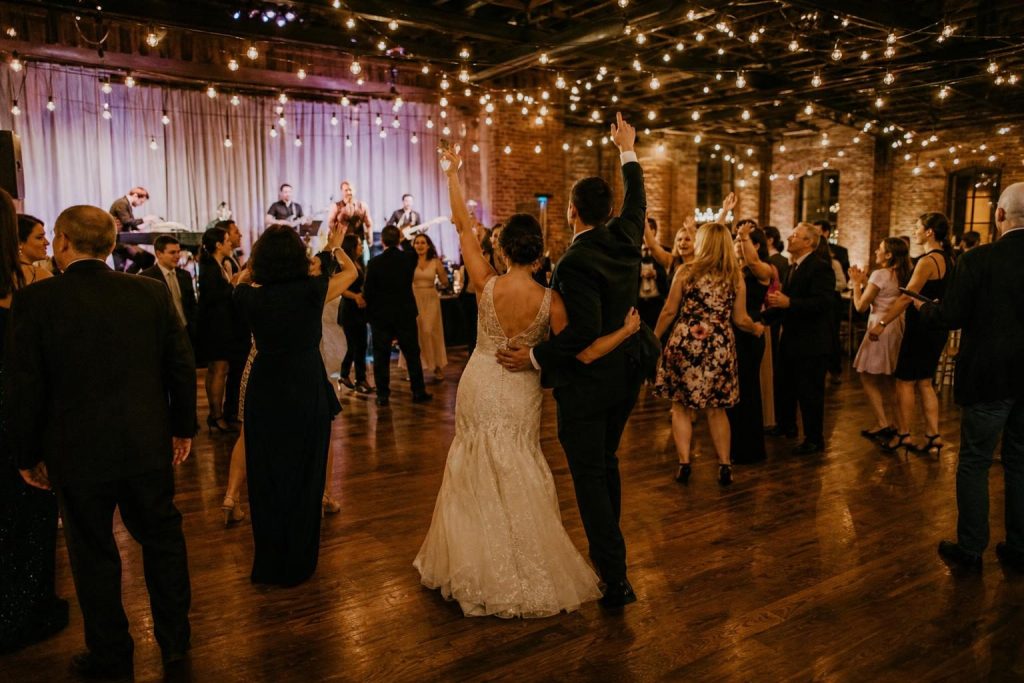
A shortened version can preserve the most meaningful lyrics while giving the moment a deliberate shape. It may also make simple choreography easier to remember. However, an edit should not feel abrupt. Cutting between incompatible tempos, musical keys, or vocal phrases can distract from the dance. If you are unsure, ask your entertainment team whether the track has an obvious edit point or whether a live arrangement would be smoother.
Do not shorten a song solely because you think guests expect a quick dance. If the full version matters to both of you and you will enjoy every minute, that confidence can carry the moment.
Find a Natural Edit Point or Comfortable Fade-Out
The cleanest edits follow the song’s existing structure. Listen for the end of a chorus, the completion of a lyrical thought, a held note, or a brief instrumental pause. These moments already sound like punctuation, making them useful places to transition or finish.
Common approaches include:
- Start at the beginning and end after the second chorus. This keeps the song recognizable and provides a simple emotional arc.
- Remove a repeated verse or chorus. Joining similar musical sections can shorten the track without changing its overall character.
- Begin at a meaningful lyric. A later start may work when the introduction is long, although the entertainer should provide a clear cue so you know when to step onto the floor.
- Use a gradual fade. A fade-out can soften a recording that lacks a clean early ending, but it should begin after a complete musical or lyrical phrase.
- Create a firm ending. An audio editor or live musician may be able to resolve the song on a final chord instead of fading it.
If you choose a fade, plan what happens as the volume drops. You might hold a final pose, share a kiss, or let the MC invite guests forward. The visual ending matters as much as the audio ending. Avoid a fade that leaves you swaying uncertainly while waiting for the music to disappear.
Consider the Flexibility of a Live Performance
Live musicians can often shape a first dance around the reception rather than reproducing a recording note for note. Depending on the song and arrangement, they may shorten an introduction, skip a verse, repeat a chorus, adjust the tempo, or create a clear final chord at a planned time.
This flexibility is useful when you want a recognizable version without preparing a custom audio file. It can also allow for a visual cue: the musicians can watch for a dip, spin, kiss, or signal from the planner before ending. Any flexible ending should still be discussed in advance so that the couple, performers, photographer, and videographer understand the plan.
At Felix & Fingers, we approach first dances as both musical and timeline moments. The arrangement, MC introduction, ending, and next transition should work together rather than being treated as separate decisions.
Coordinate Photos, Video, and the Guest-Floor Invitation
Tell your photographer and videographer how long the dance will last, especially if it is under two minutes. They may want to position themselves before the introduction instead of moving during the song. Mention any planned turn, dip, lift, or final pose so they can choose an appropriate angle. You do not need elaborate choreography, but giving them one or two predictable moments can help them document the dance without interrupting it.
Your floor plan also affects the result. Make sure photo and video professionals have a path around the dance floor without crossing directly behind you or blocking guests. Our guide to wedding reception floor plans explains how placement can support sound, visibility, and guest interaction.
If you do not want to remain alone on the floor for the full song, invite guests to join at a predetermined point. Popular options include bringing in the wedding party after the first chorus, inviting parents or all couples halfway through, or opening the floor to everyone as a second song begins.
Make the cue specific. “Invite everyone after 1:35, at the end of the second chorus” is more useful than “bring people in when it feels right.” Your MC can then deliver a confident invitation while the music continues, avoiding a pause that drains energy.
Share One Final Version With Every Vendor
Once you make your decision, document it clearly. Include the exact song title, artist, version, intended start point, ending timestamp, and what happens next. If you are using a custom edit, send the actual audio file rather than relying on a streaming link that may point to a different recording.
Confirm that the entertainer has received and tested the file. Give the same timing information to your planner, venue coordinator, photographer, and videographer. Add the introduction, start cue, ending action, and guest invitation to your wedding MC cue sheet. If live musicians are performing, clarify whether the ending is fixed or responsive to a visual cue.
Also keep a backup copy in an accessible format. Label it clearly with your names and the words “first dance final” so an earlier draft is not selected by mistake. Avoid changing the arrangement immediately before the wedding unless every affected vendor receives the update.
The takeaway: Most couples will be comfortable with a first dance lasting roughly 90 seconds to two and a half minutes, but there is no required duration. Select the section you truly want to experience, finish at a complete musical thought, and plan the transition that follows. A thoughtful two-minute edit will usually feel more intentional than a full song you are enduring—or a short cut that ends without warning.
For help planning a first dance, live arrangement, and reception transition that fit together naturally, contact Felix & Fingers at (800) 557-4196 or request an instant quote.